

Buying a home overseas can look deceptively familiar.
Listings still show bedrooms, square footage, sea views, parking, and asking prices, so an American buyer can easily approach the process with a U.S. checklist in mind.
Ownership rules can change by country, title protection may work differently, financing can be harder to obtain, and a house that looks perfectly normal in photos may not meet the construction or maintenance expectations a buyer has at home.
A lower purchase price can also lose some of its shine once taxes, legal fees, shared costs, and currency swings enter the calculation.
Smart overseas buying starts with a broader checklist.
| Area | What to Check | Key Point |
| Building and Safety | Structure, roof, drainage, damp, wiring, plumbing, heating, cooling, insulation | Match the inspection to local climate and building practices. |
| Title and Legal Status | Taxes, debts, liens, disputes, permits, approved plans | Confirm clean title and legal approval for additions or renovations. |
| Energy and Utilities | Insulation, HVAC, water, sewage, electricity, internet | Low purchase prices can be offset by high running costs. |
| Full Cost of Ownership | Taxes, legal fees, deposits, insurance, maintenance, currency costs | Budget beyond the listing price. In some markets, acquisition costs can add 12% to 13%. |
| Apartments and Condos | Shared fees, reserve funds, repairs, rental rules, common facilities | Check recurring costs and any shared debts or restrictions. |
| Tax and Residency | Residency rights, local taxes, U.S. reporting, financing access | Property ownership does not automatically provide residency, and U.S. tax duties can still apply. |
Check Building and Safety Standards
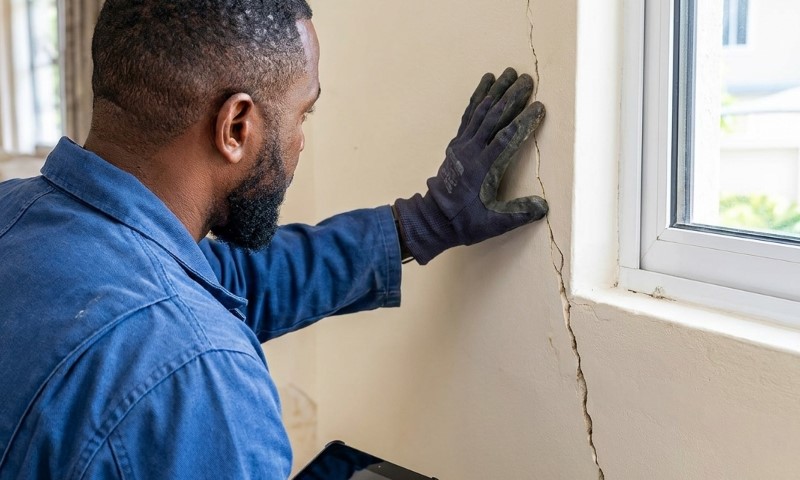
Overseas property listings can tell you how many bedrooms a home has. They cannot tell you enough about cracked walls, aging wiring, hidden moisture, poor drainage, or a roof that has quietly developed expensive opinions about rain.
An in-person visit should be part of the process whenever practical.
Photographs can hide maintenance problems, and polished renovation work can make an older building look newer than its structure, plumbing, or electrical systems really are.
A professional inspection should look closely at:
- Structural condition
- Visible cracking
- Roof performance
- Drainage
- Damp
- Mold
- Electrical systems
- Plumbing
- Heating
- Cooling
- Insulation
Location should shape that inspection. Mediterranean homes in Cyprus, Spain, or Greece can make cooling efficiency, sun exposure, moisture control, and insulation especially important.
Coastal property in Mexico deserves close attention to salt exposure, corrosion, wind, humidity, and maintenance needs.
Buyers looking at newer properties in Cyprus may come across Elythera Homes houses built to European standards, including steel-frame designs engineered around established Eurocode requirements.
Even with newer construction, buyers should still verify specifications, approvals, insulation, energy performance, and local compliance for the individual property.
Legal plans should also match what exists on the ground.
A house may look solid and well-kept while still carrying unresolved permit or zoning problems.
Cosmetic condition is only one part of the purchase. Buyers need to know how the building was constructed, how it has been maintained, and if its current layout has legal approval.
Verify the Title and Legal Status of the Property

Clean title matters just as much overseas as it does in the United States, but buyers should not assume the local process works the same way.
A formal title search should identify:
- Unpaid taxes
- Debts
- Liens
- Legal disputes
- Competing ownership claims
Overseas buyers also need to consider title fraud, especially when a transaction is handled remotely or through unfamiliar intermediaries.
Physical additions deserve legal scrutiny too. Pools, extra rooms, terraces, garages, converted attics, boundary walls, and extensions should match approved plans and local permits.
A beautifully renovated villa is much less attractive if half of the work was never approved.
Independent legal representation is one of the most important safeguards.
A local lawyer working only for the buyer can verify title, review deposits, check contracts, examine legal fees, and identify obligations before money changes hands.
Market openness does not remove the need for these checks.
Spain and France may allow Americans to own property directly, while Cyprus, Mexico, and Thailand apply more restrictive rules in certain situations, but every purchase still requires careful title review.
Review Energy Efficiency and Utilities
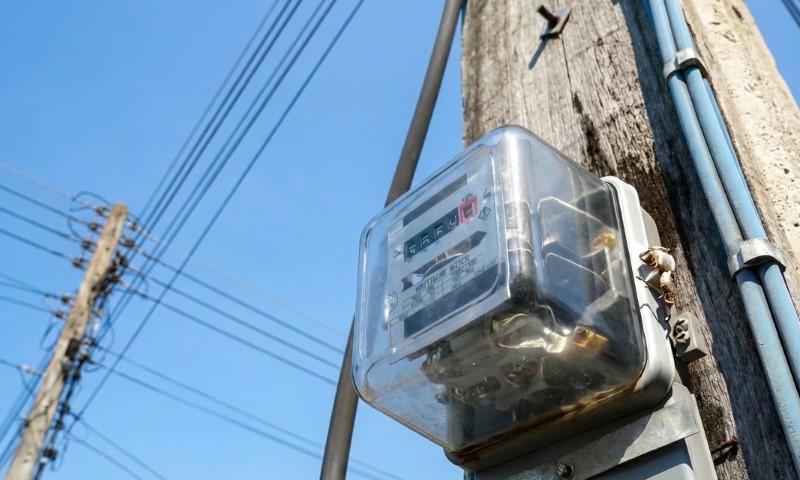
A low purchase price can become less impressive after the first year of high utility bills.
Insulation, windows, heating equipment, air conditioning, water supply, sewage, electricity, and internet access all deserve close review.
Expectations shaped by U.S. homes may not translate neatly to another country, especially in older buildings or rural areas.
Climate makes those systems even more important. Poor insulation in a cold region can push heating costs higher, while weak cooling performance in a hot climate can make a home uncomfortable and expensive to run.
Detached houses and villas can add responsibilities that apartment buyers may not face.
Pools, gardens, private roads, septic systems, pumps, wells, water tanks, gates, and outdoor lighting can all require maintenance paid directly by the owner.
Apartments may shift some of those obligations into shared fees, but those charges still belong in the budget.
Infrastructure also matters when comparing lower-cost homes in Cyprus, Portugal, Mexico, or Costa Rica.
A bargain loses part of its advantage if internet service is weak, water delivery is unreliable, private systems need constant care, or electricity costs are much higher than expected.
Know the Full Cost of Ownership
A useful planning benchmark in many European and Latin American markets is roughly 12% to 13% above the purchase price for:
- Taxes
- Legal fees
- Notary charges
- Registration
Actual totals vary by country and property, but buyers should build a wider budget before making an offer.
Spain gives a clear example. Transfer taxes can run roughly 6% to 10% depending on the region, before notary and registry costs are added.
Financing can also require more cash up front. Foreign buyers may face larger deposits, higher interest rates, and heavier documentation requirements than local buyers.
Some nonresident purchases in Spain can require deposits in the 30% to 40% range.
Foreign financing is still a meaningful part of Spain’s market. Foreign buyers registered 39,485 home mortgages in 2025, with an average loan close to €193,000.
Access to financing clearly exists, but buyers should not confuse availability with U.S.-style lending terms or down-payment expectations.
Continuing expenses need equal attention. Property tax, insurance, utilities, routine maintenance, repairs, travel, property management, shared fees, and currency-transfer costs can materially change annual ownership costs.
A property priced in euros, pesos, or another currency can become more or less expensive in dollar terms before closing.
Mortgage payments and regular expenses can shift too if income is earned in dollars while bills are paid in another currency.
Check Rules for Apartments, Condos, and Shared Developments
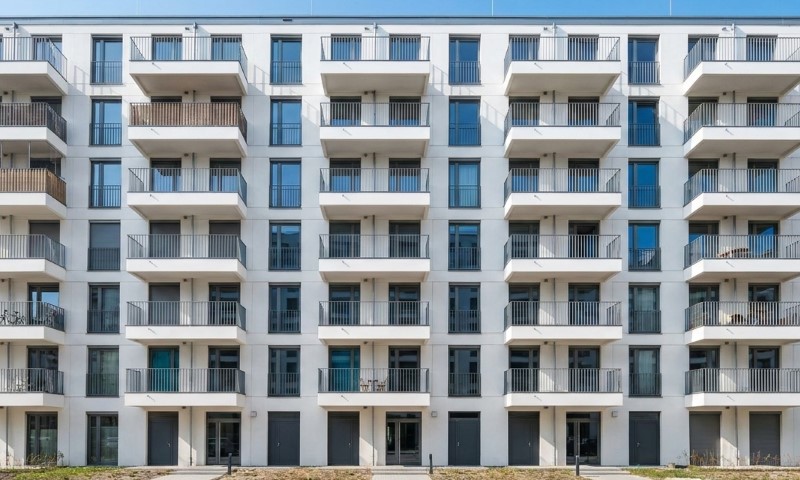
Community or HOA fees should be reviewed alongside building insurance, reserve funds, planned repairs, unpaid assessments, maintenance duties, renovation limits, and rental restrictions.
Buyers should also ask if any shared debt or pending project will transfer with the purchase.
Legal structure matters especially in markets where apartment ownership is easier for foreigners than land ownership.
Thailand is a good example. Foreigners generally cannot own land, but qualifying foreign buyers can own condominium units as long as the foreign share of the registered building does not exceed 49% of total unit area.
City apartments can offer rental potential and easier maintenance, but management charges and HOA-style fees can become substantial.
Buyers looking at apartments or shared developments in Cyprus, Spain, Thailand, or Mexico should identify exactly what common facilities are included, how those facilities are funded, and what happens if major repairs are approved.
A pool, elevator, landscaped grounds, security gate, gym, or private road can look like a bonus during a viewing.
Review Tax and Residency Implications
View this post on Instagram
Property ownership alone does not automatically grant an American permanent residency.
Some countries connect certain real estate investments with residency programs, but buyers still need to meet the immigration rules attached to those programs.
Tax obligations can also exist in more than one country.
Rental income and capital gains tied to foreign property may need to be reported in the United States, while the country where the property sits may impose its own property tax, rental-income tax, or capital-gains tax.
U.S. filing duties do not disappear when the property is overseas. U.S. citizens living abroad are generally subject to federal tax rules on worldwide income, although foreign tax credits and other provisions can affect the amount ultimately owed.
Local lenders may require larger down payments, charge higher rates, or limit mortgage access for nonresidents.
Some properties may have few financing options at all.
Anyone considering Cyprus, Spain, Portugal, Mexico, or another overseas market should therefore treat ownership, immigration, financing, and taxation as separate questions.
Solving one does not automatically solve the others.
FAQs
Closing Thoughts
Americans should confirm what they can legally own, how title is recorded, if permits are clean, how the building was constructed, what utilities cost, which shared obligations come with the property, how financing works, and what tax or residency rules apply.
Country differences can be substantial. Spain may offer direct ownership but high transaction costs.
A coastal Mexican home may require a bank trust. Thailand may limit a buyer to qualifying condominium ownership. Cyprus applies its own foreign-buyer restrictions.
A better overseas purchase starts with treating those differences as part of the property itself.
Paint, views, and square footage matter, but ownership structure, legal status, building condition, operating costs, and local rules can have a much larger effect on what the buyer is actually getting.